April 9, 2026
Lab management software helps organize laboratory workflows, data, and reporting. Often called a laboratory information management system or LIMS, it is important in healthcare, diagnostics, and research settings.
As labs rely more on technology, it is important to know what lab management software can do. The next section covers the main features that make these systems valuable for laboratories.
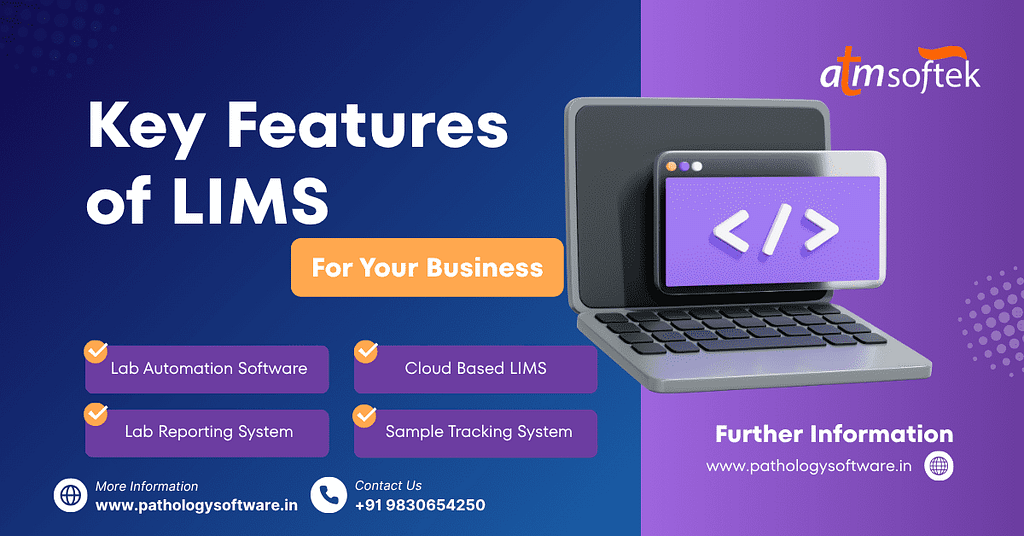
• Sample Tracking System
A reliable sample tracking system enables real-time monitoring of samples from collection to result delivery, ensuring traceability and minimizing errors.
• Lab Automation Software
Lab automation software reduces manual intervention, accelerates workflows, and enhances productivity across laboratory operations.
• Cloud-Based LIMS Capabilities
Cloud-based LIMS provides remote accessibility, secure data storage, and seamless collaboration across multiple locations.
• Lab Reporting Software
Advanced lab reporting software generates accurate, customizable reports, improving turnaround time and patient satisfaction.
• Benefits of a Digital Lab Management System
These benefits set the foundation for further advantages provided by LIMS software. The next section details specific ways in which such systems drive improvements in laboratory operations.
• Enhancing Efficiency and Accuracy
Automation minimizes human errors and improves workflow efficiency.
• Ensuring Regulatory Compliance
Supports compliance with standards like NABL, ISO, and other regulatory frameworks.
• Streamlining Data Management and Reporting
Centralized systems simplify data handling and reporting processes.
• Improving Diagnostic and Pathology Lab Workflows
A pathology lab management system ensures seamless operations from sample intake to final reporting.
• Enterprise-Grade Pathology Lab Management System
Designed for large laboratories with high volumes and complex workflows.
• Diagnostic Lab Software Solutions
Ideal for diagnostic centers focusing on patient testing and reporting.
• Cloud-Based vs. On-Premise LIMS Software
Cloud-based systems offer flexibility and scalability, while on-premise solutions provide greater control over data.
• Specialized Healthcare Lab Software
Tailored solutions for specific domains such as microbiology, genetics, and clinical research.
• Assessing Lab Size and Operational Needs
Evaluate your lab’s workflow complexity, test volume, and staff requirements.
• Evaluating Usability and Integration Features
Choose systems that are user-friendly and integrate with existing tools.
• Considering Scalability and Cost-Effectiveness
Ensure the solution can grow with your lab while remaining cost-efficient.

• Advances in Lab Automation and AI Integration
AI-powered tools are enhancing diagnostics and predictive analysis.
• Increasing Adoption of Cloud-Based Systems
Cloud-based LIMS continues to grow due to flexibility and remote accessibility.
• Enhanced Sample Tracking and Reporting Functionalities
Modern systems provide real-time tracking and advanced analytics for better insights.
Q1. What is lab management software?
It is a digital system used to manage laboratory workflows, data, and reporting.
Q2. How does LIMS software improve lab operations?
It automates processes, reduces errors, and increases efficiency.
Q3. What are the benefits of cloud-based LIMS?
It offers scalability, remote access, and real-time data updates.
Q4. Can lab management software integrate with existing healthcare systems?
Yes, most systems integrate with EMR, EHR, and other platforms.
Q5. How do I select the right lab management software?
Consider your lab’s size, needs, integration capabilities, and budget.
Lab management software has become a cornerstone of modern laboratory operations. By improving efficiency, ensuring accuracy, and supporting compliance, it enables laboratories to deliver better outcomes.
Adopting advanced LIMS solutions is essential for future-proofing operations and staying competitive in the evolving healthcare landscape.